Kid Candy Font Review
Kid Candy is a whimsical and playful display font that brings a sense of joy to any design project. Whether you're looking for a fun twist on your branding or a unique touch for your social media graphics, this font offers a fresh and cheerful aesthetic. If you're searching for "Kid Candy free download" or "download Kid Candy font free," you'll find that this font is both accessible and versatile. Its friendly character makes it ideal for a wide range of applications, from logos to wedding invitations.
Design & Style Analysis
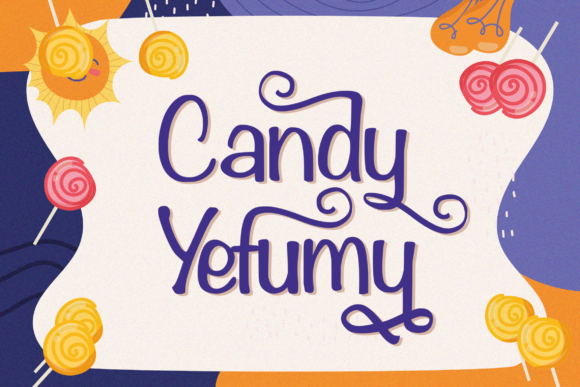
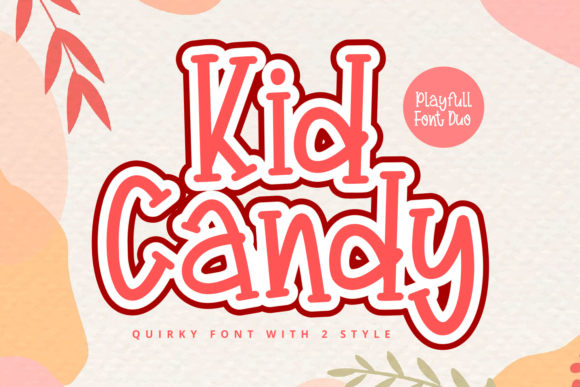
Kid Candy has a distinct visual personality that sets it apart in the Display category. The letterforms are rounded and slightly exaggerated, giving the font a hand-drawn, almost cartoon-like feel. This style is perfect for projects that require a lighthearted or humorous tone. The spacing between letters is generous, which helps maintain readability even at smaller sizes. However, it's important to note that this font works best in larger formats where its details can shine.
Letterforms
The letterforms in Kid Candy are designed with a playful energy. Each character has a unique flair, making it stand out in any composition. The lowercase letters often feature small, stylized details that add to the font's charm. While this makes the font visually engaging, it may not be the best choice for long blocks of text due to its decorative nature.
Weight & Spacing
Kid Candy comes in a single weight, which means it's best used as a headline or accent font rather than a body text option. The spacing is intentionally wide, allowing each letter to breathe and enhancing the overall legibility. This makes it an excellent choice for headlines, banners, and other large-scale designs where clarity is key.
Best Uses for Kid Candy
Kid Candy is a versatile font that can be used in a variety of design contexts. From logos to packaging, this font adds a fun and approachable vibe to any project. Here are some of the best uses for Kid Candy:
Kid Candy for Logo Design
When creating a logo, it's essential to choose a font that reflects the brand's personality. Kid Candy is perfect for brands that want to convey a sense of playfulness and friendliness. Its bold and expressive style can help make a logo more memorable and engaging.
Kid Candy for Branding
For branding purposes, Kid Candy can be used to create a cohesive visual identity that stands out. It's especially effective for businesses targeting younger audiences or those in the food, entertainment, or children's industries. Using this font in your branding materials can help establish a warm and inviting brand image.
Kid Candy for Wedding Invitations
Kid Candy is an excellent choice for wedding invitations that aim to be both elegant and fun. Its cheerful style can add a unique touch to your event's theme, making it a standout choice for couples who want to personalize their invitations. When paired with soft colors and floral elements, this font can create a beautiful and memorable look.
Font Pairing & Combinations
Pairing Kid Candy with other fonts can help balance its playful nature while maintaining visual harmony. One effective combination is pairing it with a clean, sans-serif font like Helvetica or Arial. This contrast creates a modern and professional look that complements the font's whimsical style. Another great pairing is with a serif font like Georgia or Times New Roman, which adds a classic touch to the design.
What fonts pair well with Kid Candy? Consider using it alongside a minimalist typeface for a balanced composition. For example, combining Kid Candy with a simple, geometric sans-serif can create a dynamic and eye-catching design. This approach works well for posters, social media graphics, and website headers where visual impact is crucial.
Kid Candy font pairing can also be enhanced by using it with a script font for a more organic feel. This combination is ideal for creative projects that require a personal and artistic touch. Just be sure to test different combinations to find what works best for your specific design needs.
Licensing & Commercial Use
If you're wondering "is Kid Candy free for commercial use," it's important to check the licensing terms before using the font in any paid project. While many free fonts allow for commercial use, others may have restrictions. Always review the "Kid Candy font license" to ensure you're compliant with the terms of use.
Kid Candy commercial use typically requires a proper license if you're using it for business purposes. This includes things like logos, marketing materials, and product packaging. For personal use, the font is usually available without additional costs. Understanding the difference between personal and commercial use is essential to avoid any legal issues down the line.
How to Download & Use Kid Candy
Downloading Kid Candy is straightforward, and there are several platforms where you can find "Kid Candy free download" options. Websites like CreativeFabrica, Google Fonts, DaFont, and FontSquirrel often offer this font for free. Be sure to verify the source and check the licensing information before downloading.
Once you've downloaded the font, you can easily install it on your computer and use it in design software like Canva, Word, or Photoshop. To "how to use Kid Candy in Canva/Word/Photoshop," simply open the software, go to the font menu, and select Kid Candy from your installed fonts. This allows you to apply the font to your text layers and experiment with different design ideas.
Designer Notes & Tips
As a designer, it's always a good idea to test Kid Candy in different contexts before finalizing your design. Try using it in black and white to see how it looks without color. This can help you assess its readability and overall effectiveness. Also, pay attention to how the font appears at smaller sizes, as some details may become less clear.
When comparing Kid Candy vs similar fonts, consider how each one fits your specific project needs. Some display fonts may be more formal or structured, while others are more casual and playful. Kid Candy's unique style makes it ideal for certain applications but may not be the best fit for all design scenarios.